

For centuries, the wind-swept islands of Lewis, Harris, Uist and Barra have produced something truly extraordinary — a cloth so rich in heritage, so deeply rooted in the land and its people, that it’s become a global symbol of Scottish craftsmanship. That cloth is Harris Tweed® — or in Gaelic, Clò-Mòr, meaning “The Big Cloth.”
At A Scents Of Scotland, we’re proud to offer genuine Harris Tweed® products both in-store in Kilmarnock and online. But what makes this fabric so special? Let’s take a journey through its story — from crofters’ cottages to catwalks, and from sheep’s fleece to the iconic Orb label.
🐑 A Cloth Born of the Land
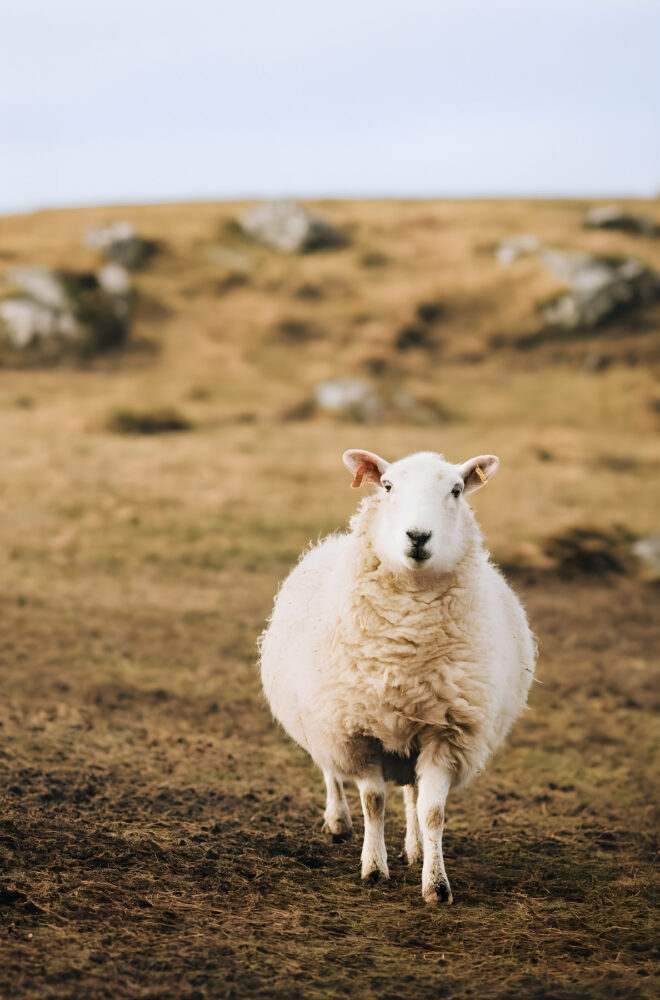
Originally woven by crofters for their own use or to sell at local markets, Harris Tweed was prized for its warmth and durability — ideal protection against the biting winds of the Outer Hebrides. By the late 1700s, finished cloth was being traded on the mainland alongside goat and deer hides.
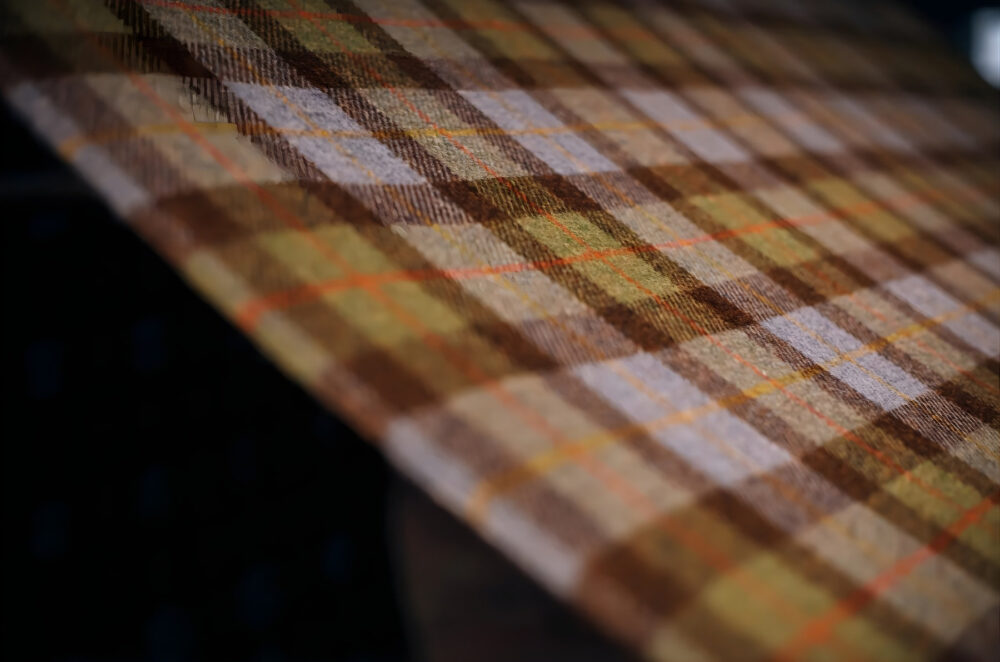
The name “Tweed” itself is a happy accident. The cloth was originally called “tweel” — Scots for twill, the diagonal weave that defines it. But in the 1830s, a London merchant misread a handwritten invoice and assumed it referred to the River Tweed. The name stuck, and a legend was born.
👑From Croft to Court👑
In 1846, Lady Catherine Dunmore of the North Harris Estate sent two local sisters to Paisley to learn advanced weaving techniques. Known as the Paisley Sisters, they returned to Harris and produced cloth of such quality that Lady Dunmore commissioned them to weave her family tartan. The resulting jackets for her estate staff were so admired that Harris Tweed quickly became the fabric of choice for the aristocracy — including Queen Victoria’s inner circle.
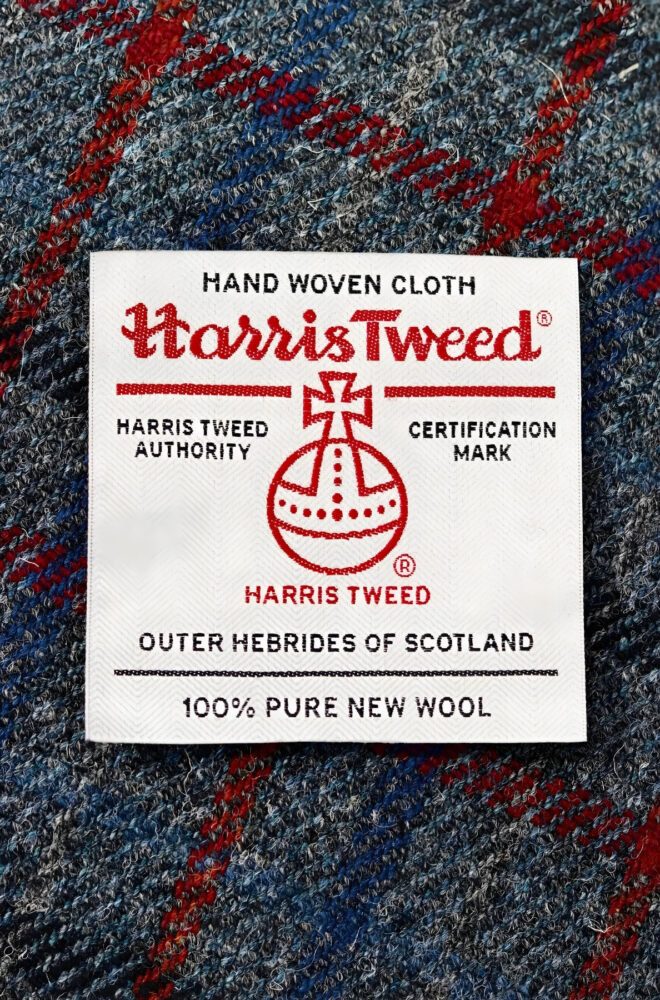
By the early 20th century, demand was booming. To protect the integrity of the cloth, the Harris Tweed Association was formed in 1909, and in 1910 the famous Orb and Maltese Cross trademark was registered. From 1911, every genuine piece of Harris Tweed was stamped with the Orb — a tradition that continues to this day.
What Makes Harris Tweed Unique?🧵
Harris Tweed is the only fabric in the world protected by an Act of Parliament. The 1993 Harris Tweed Act legally defines it as:
“Handwoven by the islanders at their homes in the Outer Hebrides, finished in the Outer Hebrides, and made from pure virgin wool dyed and spun in the Outer Hebrides.”
That means every inch of Harris Tweed is made entirely in the islands — from fleece to finished cloth. It’s not just a product; it’s a place, a people, and a promise
🧶How Harris Tweed Is Made
- Wool Gathering: Most wool comes from mainland Scotland, but local sheep are still sheared to add to the mix.
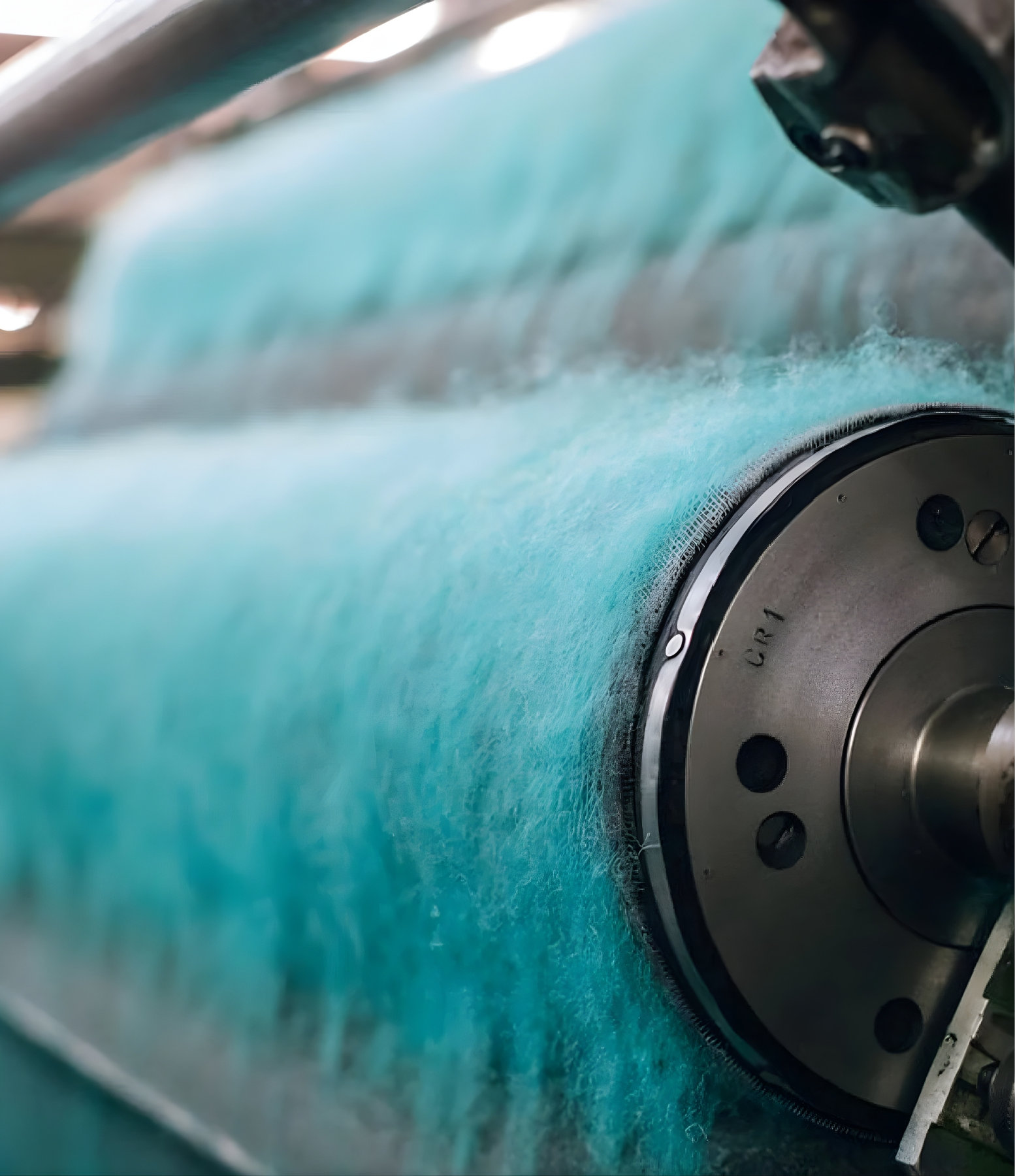
- Dyeing & Blending: Unlike other fabrics, Harris Tweed is dyed in base colours before spinning. These are blended to create complex, heathered yarns — giving the cloth its signature depth and richness.
- Carding & Spinning: The wool is carded and spun into strong yarn, then wound onto bobbins.
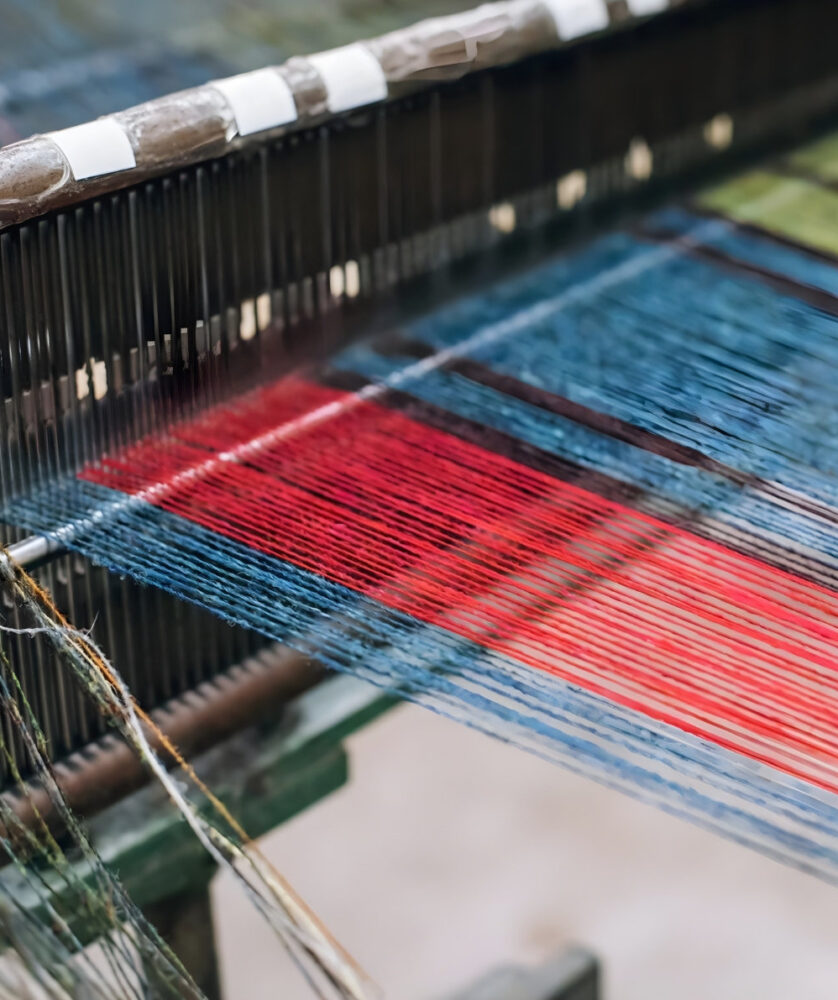
- Warping & Weaving: Over 1,400 warp threads are arranged in precise order and delivered to self-employed weavers, who handweave the cloth on treadle looms in their own homes.
- Finishing: The woven cloth is returned to the mill, washed, pressed, and inspected.
- Certification: Finally, the Harris Tweed Authority inspects each piece and applies the Orb mark — using a domestic iron, no less!
🏭The Mills & Modern Revival🏭
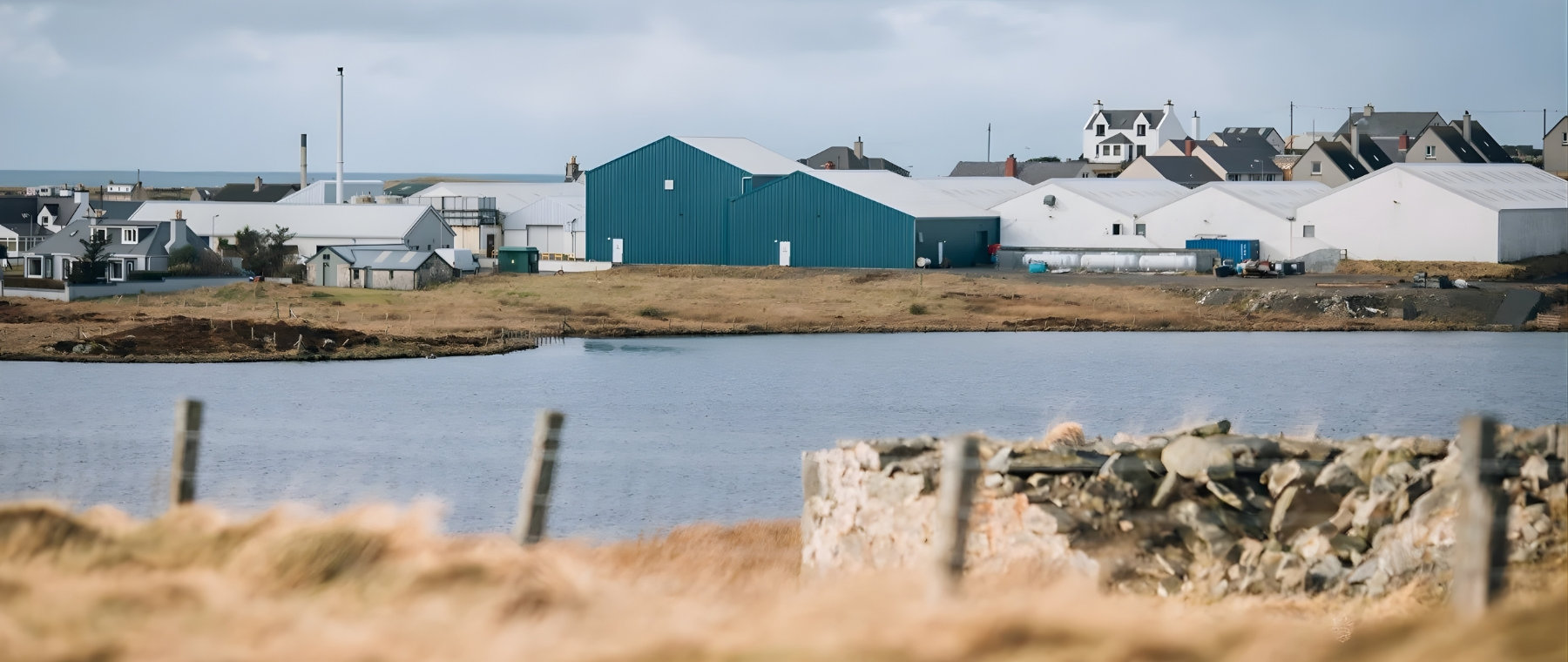
Today, only three mills remain:
- Harris Tweed Hebrides (Shawbost) – the largest, known for bold colours and custom patterns
- Kenneth Mackenzie Ltd – a traditional mill with a classic range
- Carloway Mill – the smallest, and the only one offering tours
After a decline in the early 2000s, the industry was revived thanks to new colours, modern looms, and growing demand for accessories. In fact, for the first time, bags and small goods now outsell jackets. Designers like Vivienne Westwood continue to champion the cloth, and Harris Tweed is now seen on everything from dog collars to hip flasks.
🧵 Labels, Legends & Little Details
- The Orb label was redesigned in 2019 — now square with a subtle herringbone background.
- Both old and new labels guarantee authenticity.
- Around 240 self-employed weavers work from home across Lewis and Harris.
- A skilled weaver can produce about 25 metres of cloth per day.
- The natural oils in the wool make Harris Tweed water-resistant.
- 70% of all Harris Tweed is exported — with Japan as its biggest market.
Why We Love It at A Scents Of Scotland🧳
Harris Tweed isn’t just a fabric — it’s a feeling. It’s the warmth of a Highland breeze, the rhythm of a treadle loom, and the pride of a weaver tying in their warp threads by hand. Every Glen Appin bag we stock carries that story — and the Orb mark to prove it.
Whether you’re shopping online or visiting us in Kilmarnock, you’re not just buying a product. You’re carrying a piece of Scotland.
You can browse our full Glen Appin collection online – or better yet, come see it in person at our shop…
A Scents Of Scotland
83 Whatriggs Road
Bellfield
Kilmarnock
KA1 3RB
We’ve got the tweeds stacked, the textures talking, and the heritage humming.
So whether you’re gifting a friend, treating yourself, or just want to carry a bit of the Highlands with you, our Harris Tweed bags and accessories are ready to turn heads, warm hearts, and maybe even convince you to throw on a matching purse.
Classy, and unmistakably Scottish — this is not just tweed… It’s tradition you can carry.
